Desert Safari Group Bookings: Planning With Friends
Organise desert safari group bookings with one guest list, a clear pickup plan, agreed activities, dinner requests and a confirmed group quote.
By Friends Guide Travels Team · · 12 min read
Desert safari group bookings work best when the organiser sends one clear plan and every traveller knows what has actually been confirmed. Friends may share the same holiday dates but want different activities, transport and spending levels. Sorting out those differences before booking is easier than trying to make ten decisions at a desert activity stop.
This guide is for families, friends and small groups planning a Dubai safari together. It covers the guest list, pickup, vehicle choices, activity preferences, dinner requests and the final confirmation. Larger private events need their own discussion; an ordinary group safari should not be described as an exclusive camp event unless that arrangement has been specifically agreed.
Choose one organiser and one current plan
Nominate a person to collect the final details and communicate with the booking team. Other guests can still ask questions, but the operator should receive one accurate version of the party size, date and pickup request. Several people sending different numbers can easily produce quotations that describe different trips. A single organiser keeps the conversation easier to follow.
Create a short group note with the preferred date, guest count, children's ages and the activity that matters most. Update that note whenever something changes. Do not treat a casual message saying that another friend might come as a confirmed addition. Separate interested travellers from those included in the actual booking so the team can quote the right party.
Agree the basic experience before collecting extras
Ask whether the group wants a morning outing, a full evening with dinner or an overnight camp stay. These are different time commitments. The morning safari does not include the evening dinner and shows, while the evening safari follows a longer programme. Start with this choice before debating smaller upgrades.
Give everyone a plain description of the selected itinerary. Someone who wants only a short outdoor activity trip may not enjoy being committed to a whole camp evening. Another guest may consider dinner the main attraction. A clear starting choice prevents the organiser from building a package around the loudest voice while quieter travellers expect something else.
Use a simple priority question
Ask each person to name one must-have and one thing they are happy to skip. Common answers include travelling together, quad biking, photographs or a comfortable camp seat. The pattern helps you find shared priorities. It also shows which activities might be better treated as optional rather than included for every traveller automatically.
Get the guest list right
Collect the adult count and the ages of all children for the travel date. Ask the booking team how the selected package treats those ages and what seating arrangements are appropriate. Do not divide a total cost using an assumed child rate or promise an extra place without checking capacity. The actual guest details belong in the quotation.
For larger groups, set a sensible internal deadline for friends to decide. That is your coordination tool, not a claim about the operator's cancellation rules. Keep the two separate. Once the team confirms the booking conditions, share them accurately so guests understand how later changes will be handled under the real arrangement.
Choose a pickup plan before the tour day
List the hotels or addresses where guests are staying. Ask whether multiple collections are possible and whether a common meeting point would be simpler. Do not assume several hotels can all be added without affecting the route or total. A single agreed location often makes the organiser's job easier, provided everyone can reach it comfortably.
If you choose one meeting point, share the exact entrance, map pin and time with the group. Ask friends to plan their own journeys there with enough buffer. The safari driver should not become responsible for finding guests who are still travelling across the city. Your group meeting time can be earlier than the confirmed collection window to allow a calm head count.
Decide whether the vehicles need to be exclusive
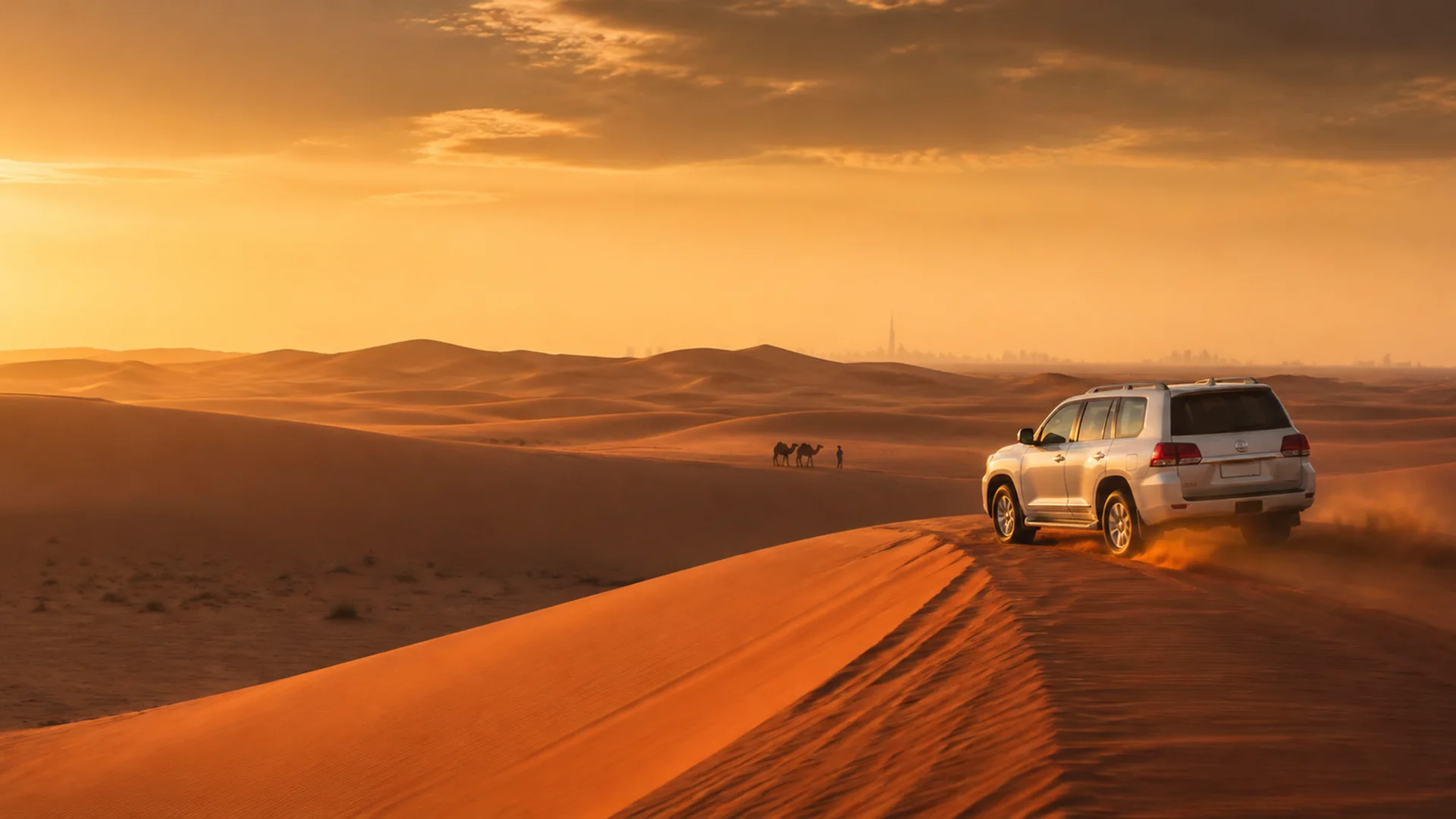
Shared transfers can suit a party happy to join the operator's route and travel arrangement. If travelling only with your own friends is important, read the private safari and request a vehicle plan for your actual numbers. The listed private 4x4 capacity is up to six guests; larger parties need an appropriate arrangement rather than extra people squeezed in.
Ask whether the group will travel in one vehicle or several and what coordination can be confirmed. Do not promise that separate vehicles will remain side by side throughout the trip. Traffic, activity operations and the route can affect movement. What matters is a clear plan for meeting, taking part and rejoining the group at the agreed stages.
Make an activity list by participant
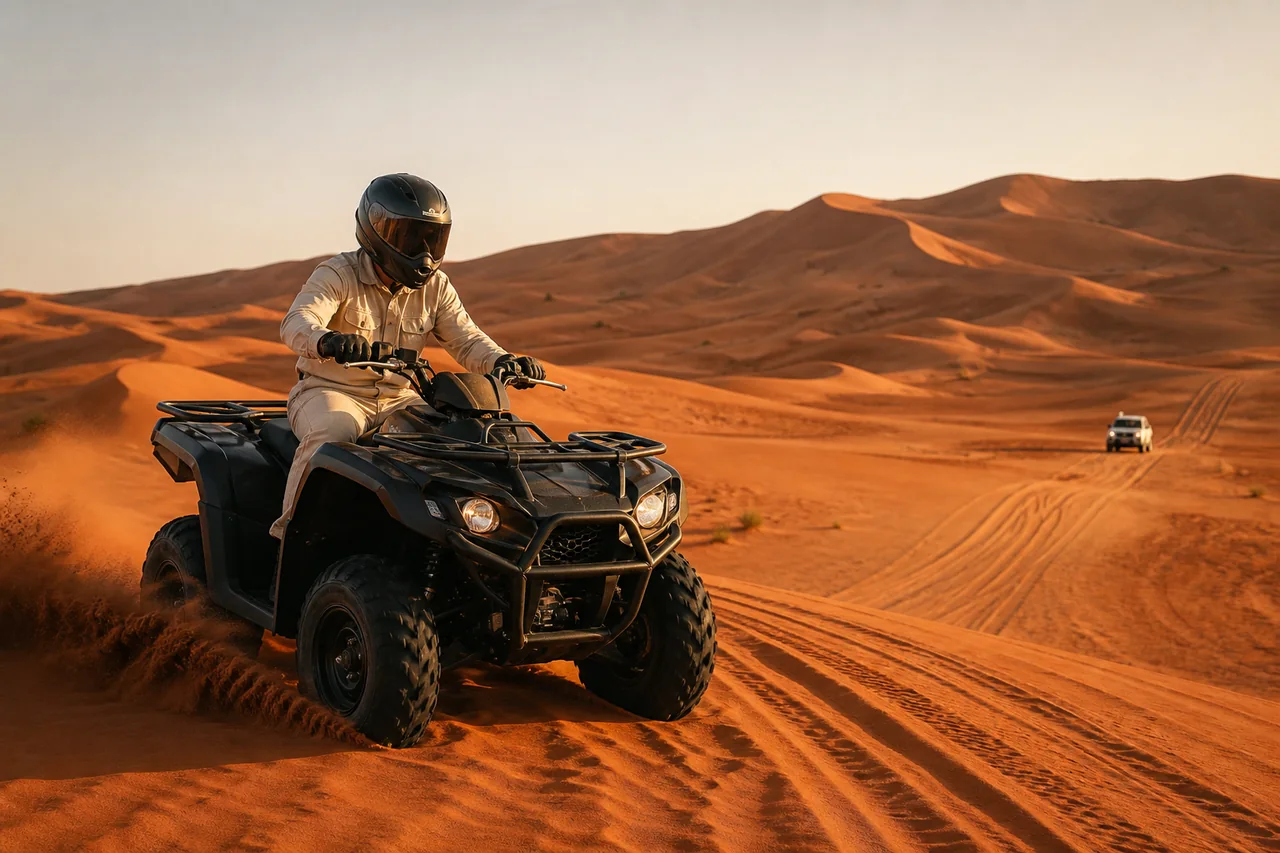
For each activity that is not simply part of the common safari programme, note who actually wants it. If three people want quad biking and seven do not, tell the team. The quad-bike safari describes its own session and operating arrangement. Do not buy or describe a riding allocation without confirming the participants and current requirements.
Mixed preferences are normal. Ask what the non-riders will do and where they wait while the others take part. Avoid assuming that an activity stop includes unlimited time for the group to make decisions. A participant list agreed before booking gives the operator a practical request and helps the friends understand their individual arrangements.
Discuss comfort without making anyone explain publicly
Give travellers a way to tell the organiser about a practical concern privately. A guest may be worried about a rough activity, need an easier route to camp seating or prefer to skip riding. The organiser should share only the information the team needs to arrange the trip, with the person's agreement. A group holiday does not require everyone to choose the same level of activity.
Raise these needs before confirming the package. Ask what alternatives are available and use the operator's restrictions for each activity. Do not promise that a private car removes every limitation. Where a personal health question needs professional advice, that decision belongs with the traveller and the appropriate professional, not a vote in the group chat.
Agree camp seating and dinner expectations
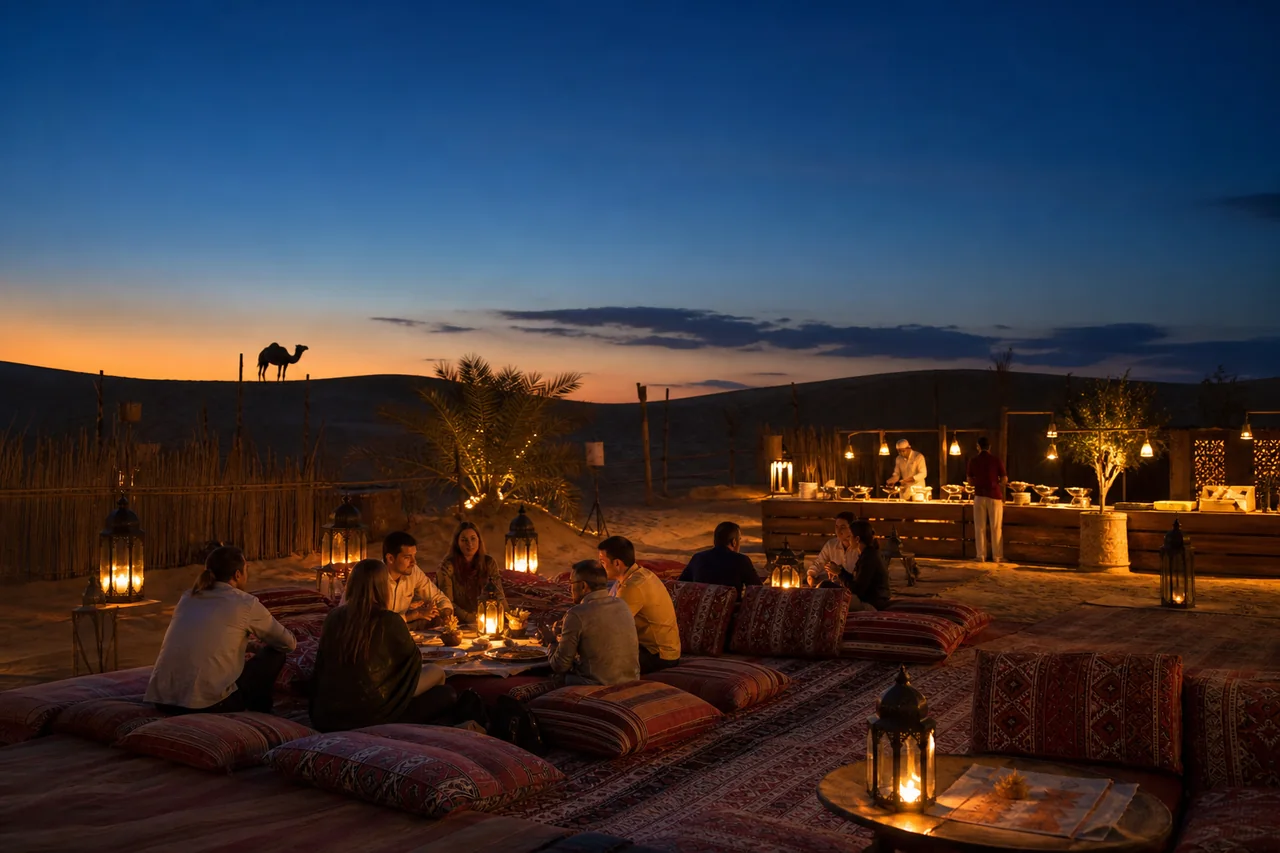
Tell the team how many people want to sit together and whether reserved seating matters. The premium camp package describes particular seating and service features, but an ordinary group booking does not automatically create a private camp. Ask what the selected package can provide for your party and which requests remain subject to arrangement.
Collect dietary needs before the organiser sends the final enquiry. Keep preferences and allergies clearly distinguished. A buffet with vegetarian choices does not answer every ingredient or cross-contact question. Ask for a specific response to essential requirements, then share the accepted arrangement with the relevant guest rather than offering your own interpretation of a general menu description.
Set a group spending boundary
Agree which features belong in the shared booking and which are individual optional purchases. A private vehicle, premium seating, motor activity or photography service can change the total. Friends should know what they are agreeing to before the organiser confirms. This avoids an awkward situation where an enthusiastic upgrade becomes an unexpected contribution for everyone else.
Ask for the final quote using the same guest list and selected features. If numbers change, request an updated total instead of doing your own informal division and assuming the original terms remain valid. Per-person and per-vehicle arrangements respond differently to party size. The operator's revised quote should be the basis for the group's decision.
Keep examples separate from actual prices
You can use a simple spreadsheet or note to compare options, but label any estimate clearly. Do not present a starting website price as a final group rate. The chosen date, party and extras need confirmation. When the booking team provides the total, replace the estimate so nobody contributes based on an earlier figure.
Understand how the booking is confirmed
This website accepts enquiries and booking requests without taking payment on the site. The team confirms availability, pickup and the final total before you decide. A submitted form is therefore the beginning of the conversation, not proof that every group request has been accepted. Read the final summary before telling friends that the plan is settled.
Follow the confirmed process for any later payment and keep the booking record accessible. Make sure the record names the package, date, guests, vehicle arrangement, pickup and agreed extras. For a group, a clear summary is valuable because several people may need to check the same information without reading the organiser's entire message history.
Share changes and cancellation terms early
Read the cancellation policy and ask how amendments apply to the group arrangement. Share the relevant terms with travellers before they commit. Do not create your own promise of a refund or free change just to keep the group conversation easy. The actual confirmed terms govern what the operator can offer.
If someone withdraws, tell the team promptly and request the effect on the booking. An empty place in a private vehicle and a cancelled individual activity may have different implications. Avoid assuming a substitute guest can always be added without checking. Accurate updates protect both the organiser and the travellers from relying on an outdated confirmation.
Send one useful pre-trip message
The day before travel, send the confirmed meeting point, ready time, contact plan and the items guests should bring. Link to the what-to-wear guide instead of filling the chat with conflicting advice. Remind guests which activities they selected and which purchases remain optional. Keep the message short enough that people will actually read it.
Ask everyone to acknowledge important changes. If the pickup point has moved, do not rely only on a message buried beneath photographs and jokes. The organiser should know that travellers have seen the final instruction. A second person can hold the confirmation as a backup, especially when the party is travelling from several hotels or using different phones.
Use simple head counts during the outing
Agree how the group will check that everyone is ready at collection and return. A large party does not need a complicated system, just a clear organiser and a shared meeting instruction. At activity stops, follow staff directions and keep track of who is riding, waiting or visiting facilities. Avoid wandering away without telling the organiser and the relevant staff.
Before leaving camp, use the confirmed driver instructions rather than a time remembered from a general itinerary. Let guests finish optional purchases with enough time to rejoin. One person should not delay the vehicle because the rest of the group assumed they were already outside. Friendly organisation helps the whole party enjoy the evening with less chasing.
Three group plans that work differently
Six friends who want to travel only together
They compare the listed private vehicle capacity with their full party and ask for the confirmed arrangement. They understand that the camp remains shared unless separately agreed. Their organiser sends one pickup point, one contact and the selected activities. The booking is then based on a shared preference for an exclusive journey, not a mistaken promise of a private venue.
A larger family with mixed ages
The organiser collects children's ages, practical seating needs and food questions before requesting a quote. They ask about the vehicle plan and whether camp seating together can be confirmed. Nobody is promised a riding activity simply because adults want it. The family chooses the trip around the actual people travelling rather than an average traveller who does not exist.
Friends with different budgets
They agree on the common safari and leave selected extras as individual choices. The organiser asks how those choices fit the programme and keeps them separate in the confirmation. Everyone can enjoy the shared outing without being pushed into the same optional spend. The group's budget conversation happens before travel, where it is easier and less pressured.
Send the final enquiry as a complete brief
Use the contact page with the date, final guest list, ages, pickup plan, transport preference, rider numbers and essential camp requests. Ask for availability and a total that identifies the selected features. The website displays WhatsApp +971 52 757 3085. Once the team replies, share one final plan with the friends and enjoy the trip you have actually arranged.
A group briefing you can adapt
Tell friends the chosen date and exact safari first. Then explain the common meeting point, the vehicle arrangement and which activities belong to the shared booking. List any individual extras separately. Finish with the important preparation instructions and the name of the organiser who will communicate changes. This order makes the message readable for someone who has not followed every earlier conversation and reduces the chance that an old idea is mistaken for the final plan.
For example, a party can agree to meet at one hotel even though its members sleep in several locations. The organiser should make clear that their earlier journeys to that hotel are separate from the safari collection. If two friends have selected a riding activity, the message should identify that choice without implying that the remaining guests also have an allocation. Ordinary wording is enough when the details are accurate.
Ask friends to respond if anything in the final summary differs from their understanding. Resolve those points before travel, then keep the version stable unless the booking team confirms a change. A good organiser does not need to manage every photograph or conversation during the tour. The useful work happens beforehand: accurate numbers, clear expectations and an agreed way to get everyone to the right place at the right stage of the programme.
Frequently asked questions
What information does the team need for a group safari quote?
Send the date, adult count, children's ages, pickup locations, preferred safari and any essential practical requests. Identify how many guests want optional activities such as quad biking, rather than assuming the full party wants the same extra. State whether travelling only together or sitting together at camp is important. A complete brief helps the team quote the actual arrangement and reduces confusion caused by several friends sending different numbers. Keep one organiser responsible for the final version so the quotation reflects the people who are genuinely included in the booking.
Should one person organise the group booking?
One lead organiser usually makes communication clearer because the booking team receives a single current guest list, pickup plan and set of requests. Other travellers can still discuss preferences, but changes should be gathered into one accurate update. Choose a second person to hold the final confirmation as a backup. Do not let several informal messages create different versions of the trip. The organiser's role is to keep information consistent, share the actual terms and help the friends understand what is confirmed, not to promise arrangements the operator has not accepted.
Can a group have pickups from different hotels?
Ask before confirming and provide all addresses. Multiple stops may affect the route, timetable and total, so they should not be assumed from a private vehicle booking or a general pickup statement. The team can explain what is workable and whether one common meeting point would be simpler. If friends gather at one hotel, share the exact entrance and allow time for their independent journeys. The safari driver should receive one clear collection plan rather than discovering after departure that different travellers expect to be collected across the city.
Will all friends travel in the same vehicle?
That depends on the confirmed vehicle plan and party size. The listed private 4x4 product describes up to six guests, so a larger party needs an appropriate arrangement rather than additional passengers fitted into the same allocation. Ask how many vehicles are proposed and how the group will coordinate at the main stages. Do not promise separate vehicles will remain beside one another throughout the route. What matters is a clear collection, activity and return plan that the team has accepted and every traveller understands before the safari day.
Can only some guests add quad biking?
Explain exactly who wants to ride and ask how the team can arrange the booking. Provide relevant ages and ask about current participation requirements and the plan for non-riders. Do not assume every guest needs an identical activity purchase or that waiting companions have a separate included programme. Keeping participant numbers clear helps the operator explain suitable options and lets friends agree their individual spending. The final summary should identify the selected activity and participants, so an optional choice made by a few travellers does not become an unexpected group expense.
Does a group booking include an exclusive camp area?
Not automatically. A group safari, private vehicle and premium seating are different arrangements from hiring an exclusive venue. Tell the team if a private area or bespoke event is essential and ask what can be offered for your date and size. Do not describe an ordinary shared camp visit as a private event when inviting friends. If you simply want seats together, ask that specific question and note whether it is confirmed or subject to availability. Clear wording keeps the group's expectations aligned with the actual product rather than an attractive label.
How should we handle different budgets within the group?
Agree the common safari features first, then separate optional individual purchases from shared costs. A vehicle arrangement may be a group decision, while one traveller's photograph or activity upgrade may be personal. Ask for a final quote based on the selected features and current guest list. Do not divide an old estimate after the plan changes and assume it remains accurate. Discuss contributions before confirmation so nobody feels pressured into an upgrade at the activity stop. The aim is a trip everyone accepts, not an identical spending choice for every friend.
What if someone cancels or another friend joins?
Tell the team promptly and ask how the actual booking terms apply to the revised party. Do not assume a withdrawal creates an automatic refund or that a substitute can be added without checking. Per-vehicle and individual activity arrangements may respond differently to changes. Read the cancellation policy and share the relevant confirmed terms with the group before they commit. An organiser should keep the newest summary clearly identified, because an outdated guest list can affect transport, meal requests and the total even when the rest of the plan looks unchanged.
What should the organiser send before travel?
Share the exact meeting point, ready time, contact plan, selected activities and practical preparation instructions from the operator. Link to the site's clothing guide rather than circulating conflicting advice. Ask friends to acknowledge important changes, especially a different pickup entrance or collection window. Keep the message concise enough that people will read it. A second traveller should hold the confirmation as a backup, but one organiser should remain responsible for communicating material updates to the team so the driver and group continue to follow the same final plan.
How can we keep the group together during the outing?
Follow staff directions, agree simple head counts and make sure travellers know the meeting instruction at each relevant stage. Keep track of who is participating, waiting or visiting facilities without creating a complicated system. Before leaving camp, use the confirmed return instruction rather than a general itinerary time. Give optional shoppers enough notice to rejoin. If a person needs a different arrangement, discuss it with the team instead of allowing them to wander off independently. Friendly coordination helps everyone enjoy their own interests while respecting the wider safari programme and other travellers.